

Introduction
The Cuba flag is one of the most recognizable national symbols in the world, representing the identity, history, and aspirations of the Caribbean nation of Cuba. Known for its bold colors and striking design, the flag tells a powerful story of struggle, independence, and national pride.
Flags are more than just pieces of fabric; they embody the values and historical journeys of nations. The Cuban flag, often referred to as the “Lone Star Flag,” stands as a symbol of unity and resilience. This article explores its origins, design elements, symbolism, historical context, and its importance in modern Cuban society.
The Design of the Cuba Flag
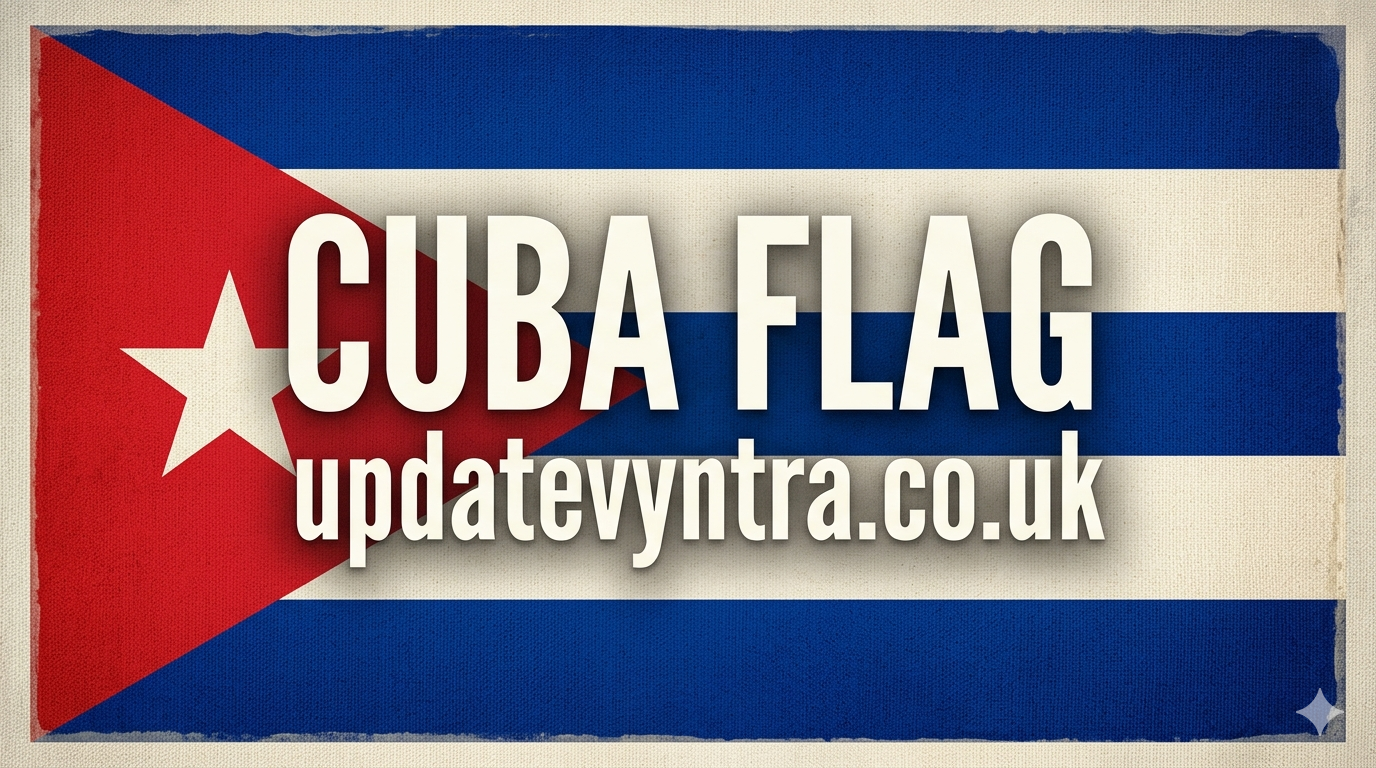
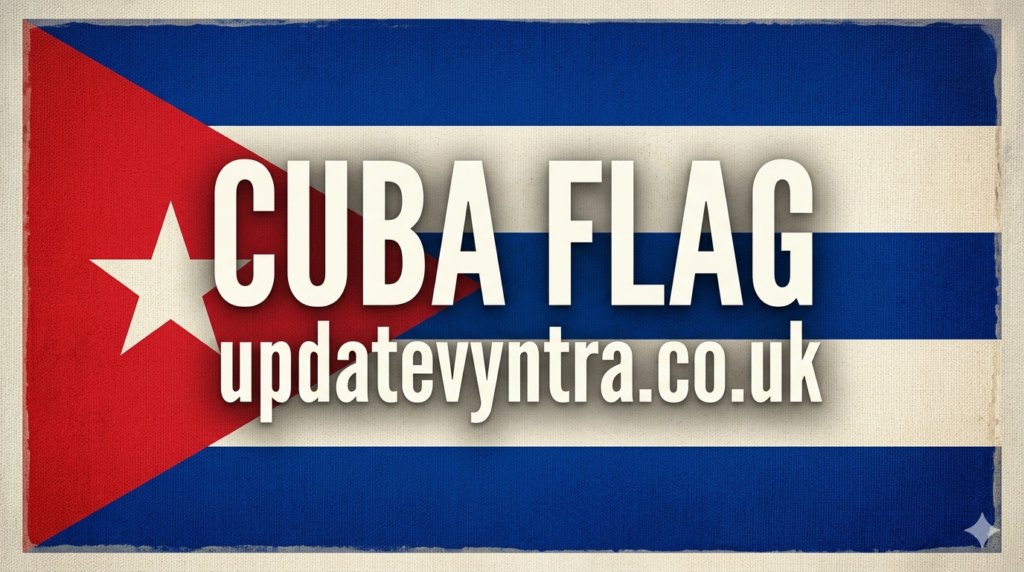
The Cuba flag features a distinctive layout that immediately captures attention. It consists of:
- Five horizontal stripes (three blue and two white)
- A red triangle on the left side
- A white five-pointed star centered within the triangle
This simple yet meaningful design reflects deep historical and political significance.
Color Composition
Each color used in the flag carries symbolic meaning:
- Blue stripes represent the original divisions of the island
- White stripes symbolize purity and justice
- Red triangle stands for courage and sacrifice
- White star represents independence and freedom
The balance of these elements creates a harmonious yet powerful visual identity.
Historical Origins of the Cuba Flag
Early Struggles for Independence
Before adopting its current flag, Cuba was under Spanish colonial rule for centuries. The desire for independence grew throughout the 19th century, leading to multiple uprisings.
The flag emerged during this period as a symbol of resistance and hope.
Creation of the Flag
The design of the Cuba flag is attributed to Narciso López, a key figure in the fight for Cuban independence. The flag was first conceived in the late 1840s.
It was officially adopted on May 20, 1902, when Cuba gained formal independence.
Influence from Other Nations
The design of the Cuban flag was inspired in part by the flag of the United States. This influence reflects the political and ideological connections during the independence movement.
Symbolism Behind the Cuba Flag
The Blue Stripes
The three blue stripes represent the three military districts into which Cuba was divided during Spanish rule. These divisions were:
- Western region
- Central region
- Eastern region
The stripes symbolize unity among these regions despite colonial fragmentation.
The White Stripes
The two white stripes signify:
- Justice
- Purity of ideals
They highlight the moral foundation of the independence movement.
The Red Triangle
The red triangle has multiple interpretations:
- Blood shed in the struggle for freedom
- Strength and courage
- Revolutionary ideals
Some historians also associate the triangle with principles of liberty, equality, and fraternity.
The Lone Star
The white star, often called the “Lone Star,” represents:
- Independence
- Sovereignty
- The aspiration for a free nation
It stands alone, emphasizing Cuba’s desire for self-governance.
Evolution of the Cuba Flag
Early Versions
Before the current design, various flags were used by independence groups. These early flags reflected different visions for Cuba’s future.
Official Adoption
The current Cuba flag was officially adopted in 1902 after independence from Spain. Since then, it has remained unchanged, demonstrating its enduring significance.
Use During Political Changes
Even during major political transformations, including the Cuban Revolution, the flag remained the same. This continuity highlights its role as a unifying national symbol.
The Cuba Flag in National Identity
A Symbol of Unity
The Cuba flag represents unity among the Cuban people, regardless of political or social differences. It serves as a reminder of shared history and collective struggle.
Cultural Significance
The flag is deeply embedded in Cuban culture. It appears in:
- National celebrations
- Sports events
- Public institutions
- Art and music
It is a constant presence in daily life.
Emotional Connection
For many Cubans, the flag evokes strong emotions, including:
- Pride
- Patriotism
- Resilience
It symbolizes both past sacrifices and future aspirations.
The Cuba Flag in International Context
Representation Abroad
The Cuba flag is used in embassies, international events, and global organizations to represent the country.
Recognition
Its unique design makes it easily recognizable worldwide. It stands alongside other iconic flags as a symbol of national identity.
Comparison with Other Flags
Similarities with the Texas Flag
Interestingly, the Cuba flag shares similarities with the flag of the Texas. Both feature:
- A single star
- Red, white, and blue colors
However, their meanings and historical contexts differ significantly.
Distinctive Features
What sets the Cuba flag apart is:
- Its horizontal stripe pattern
- The triangular element
- The specific symbolic meanings tied to Cuban history
The Role of the Cuba Flag in Education
Teaching History
The flag is an important educational tool used to teach:
- Cuban history
- Independence movements
- National values
Promoting Patriotism
Schools often use the flag to instill a sense of national pride and identity among students.
The Cuba Flag in Art and Media
Artistic Representation
Artists frequently incorporate the flag into their work to express:
- Political views
- Cultural identity
- Historical reflection
Media Presence
The flag appears in:
- Films
- Documentaries
- News coverage
It serves as a visual shorthand for the nation.
Protocol and Etiquette
Proper Display
Like all national flags, the Cuba flag must be displayed with respect. Guidelines include:
- Keeping it clean and undamaged
- Displaying it in a prominent position
- Avoiding misuse or disrespect
National Holidays
The flag is prominently displayed during national holidays such as:
- Independence Day
- Revolution Day
These occasions reinforce its importance.
Modern Relevance of the Cuba Flag
Symbol in Contemporary Society
Today, the Cuba flag continues to represent:
- National unity
- Cultural heritage
- Political identity
Global Recognition
In a globalized world, the flag serves as a symbol of Cuba’s presence on the international stage.
Misinterpretations and Myths
Common Misunderstandings
Some people misunderstand the meanings behind the flag’s elements. For example:
- The triangle is sometimes misinterpreted as purely decorative
- The star is occasionally confused with other symbolic meanings
Clarifying the Symbolism
Understanding the historical context helps clarify the true meanings behind each element.
The Cuba Flag and National Pride
A Source of Inspiration
The flag inspires citizens to:
- Honor their history
- Work toward a better future
- Maintain cultural traditions
Diaspora Connection
For Cubans living abroad, the flag serves as a powerful reminder of home and identity.
Future of the Cuba Flag
Continuity
The Cuba flag is unlikely to change, as it is deeply rooted in the nation’s history and identity.
Evolving Meaning
While the design remains the same, its meaning continues to evolve with new generations.
Interesting Facts About the Cuba Flag
- It is also known as the “Lone Star Flag”
- It was designed in the 19th century but adopted in the 20th
- Its design reflects both political ideals and historical events
- It has remained unchanged since adoption
Conclusion
The Cuba flag is far more than a national emblem—it is a powerful representation of the country’s history, values, and identity. From its origins in the struggle for independence to its role in modern society, the flag continues to inspire pride and unity among the Cuban people.
Its carefully designed elements tell a story of resilience, courage, and hope. Whether displayed during national celebrations or seen on the global stage, the Cuba flag remains a timeless symbol of a nation’s journey toward freedom and self-determination.
Understanding the meaning behind the Cuba flag allows us to appreciate not only its visual beauty but also the deep historical and cultural significance it carries. It stands as a reminder that even the simplest symbols can hold profound meaning when rooted in the experiences of a people.
