

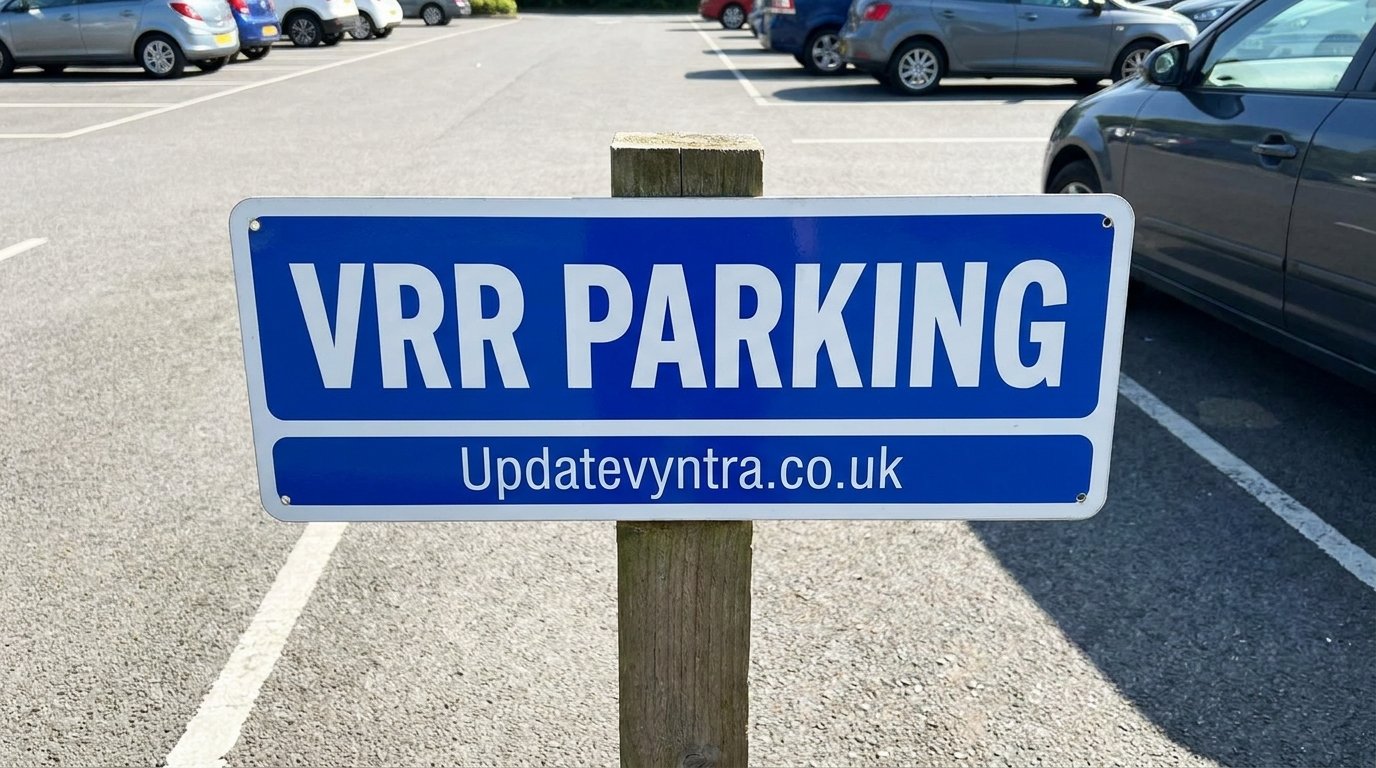
Parking may seem like a simple part of everyday life, but anyone who has managed a residential community, apartment complex, or busy property knows how quickly parking can become complicated. Visitors need temporary spaces, residents need reliable access, property managers need accurate records, and unauthorized vehicles can create unnecessary disputes. This is where VRR Parking offers a more organized digital approach.
VRR Parking is designed primarily as a visitor and resident parking management platform. Its system allows properties to replace many traditional paper-based processes with online registration, digital permits, vehicle records, notifications, and management tools. According to the platform itself, more than 1 million visitors book parking tickets annually, while hundreds of properties use its resident registration services.
But what makes VRR Parking useful, and how does it actually work? Whether you are a resident, visitor, or property manager, understanding the platform can make parking rules much easier to navigate.
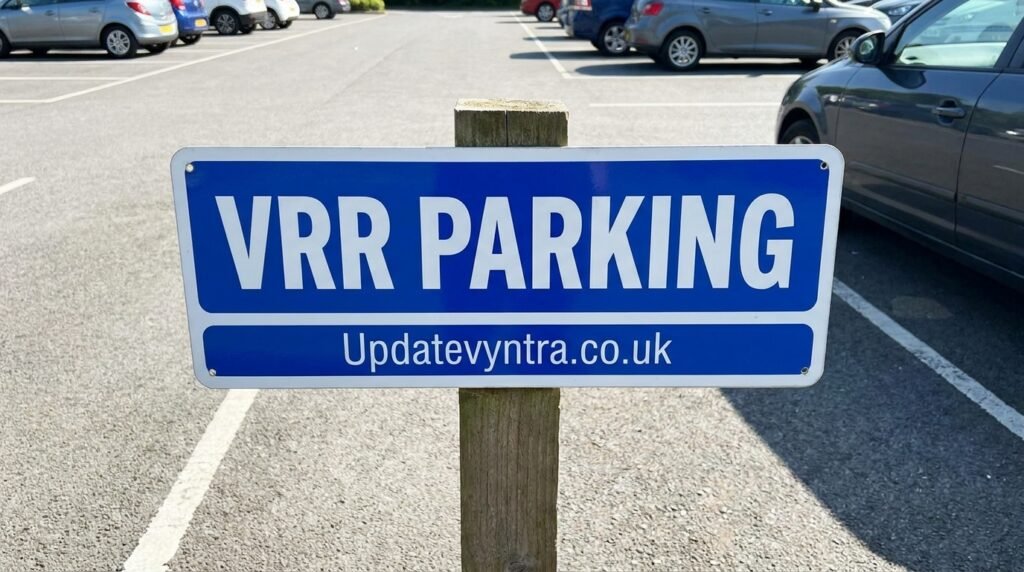
What Is VRR Parking?
VRR Parking is a digital parking management system focused on visitor and resident parking. Instead of depending entirely on physical permits, handwritten records, or manual registration, the platform allows parking information to be managed online.
For residential communities, this can mean creating resident profiles and registering visitors before they arrive. Visitors may also be able to complete registration themselves, depending on how a particular property has configured its parking system. This flexibility can make the process considerably easier for both residents and guests.
One of the main ideas behind the platform is to create a clear connection between vehicles and parking authorization. When a visitor is registered, relevant vehicle information can be associated with the parking permission. This gives property managers a better way to determine which vehicles are authorized and which may not be.
VRR Parking also provides cloud-based resident information, reports, automated notifications, and tools for managing blocked vehicles. These features are intended to reduce the administrative work involved in maintaining a parking program.
How Does VRR Parking Work?
The exact process can differ from one property to another because parking managers can establish their own rules. Generally, however, the system revolves around registration and authorization.
A resident may use the platform to create a visitor registration by entering the required information about the guest and vehicle. Once the registration is completed, the vehicle can be associated with the permitted parking period. In other situations, a property may provide visitors with a registration option so they can submit their own information.
This digital approach is particularly helpful when a community has many visitors throughout the week. Instead of maintaining a paper list at an office or relying on verbal communication, managers can have parking information stored electronically.
The platform also supports visitor parking permits. According to VRR Parking, these permits can contain detailed information about the vehicle and parking authorization, helping reduce confusion about whether a vehicle has been properly registered.
For residents, the biggest advantage is convenience. A guest can be registered without requiring the property manager to manually process every request. For managers, the benefit is having a centralized system where parking information can be reviewed when necessary.
Visitor Registration and Resident Profiles
Visitor registration is one of the central features of VRR Parking. Residential properties often face the challenge of balancing convenient guest access with limited parking availability. A digital registration system can help create clearer rules around who is allowed to park and for how long.
Resident profiles can also simplify the management of long-term parking arrangements. Instead of repeatedly issuing physical permits or updating paper records, managers can maintain resident information digitally. VRR Parking states that its virtual permit system is designed to reduce the administrative workload associated with issuing and updating resident registrations.
This can be especially useful in larger communities where hundreds of residents may move in, move out, change vehicles, or register different visitors over time.
Key Benefits of VRR Parking
The main value of VRR Parking comes from bringing several parking-management tasks together in one digital environment. Rather than treating visitor registration, resident information, parking restrictions, and reporting as separate processes, the platform combines them into a centralized system.
One important benefit is better organization. When parking records are maintained digitally, managers can review information without searching through physical documents. This can make it easier to understand visitor activity and identify recurring parking issues.
Another advantage is communication. VRR Parking offers automated notifications, allowing updates to be delivered to residents through email. Timely communication can be particularly useful when parking rules change or when residents need information about their registrations.
Reducing Unauthorized Parking
Unauthorized parking is a common problem for residential properties. A vehicle parked in the wrong space can prevent legitimate residents or visitors from finding somewhere to park. In more serious cases, repeated violations can create conflicts between residents and management.
VRR Parking includes tools that allow properties to restrict certain vehicles from registering or parking on their land. It also provides features intended to help managers establish time limits for visitors and manage additional parking charges where applicable.
Of course, the platform itself does not replace the property’s parking policy. Managers still need to establish clear and reasonable rules, communicate them properly, and apply them consistently.
VRR Parking for Property Managers
For property managers, parking administration can consume a surprising amount of time. Every visitor registration, permit update, vehicle change, and parking dispute can require attention.
A digital platform can reduce some of this workload by keeping information in one place. VRR Parking provides management tools for reviewing resident information, visitor histories, revenue, and other reports. This gives managers a broader view of how parking is being used across their property.
The reporting function can also help management identify patterns. For example, if certain periods consistently experience heavy visitor activity, managers may be able to adjust their parking policies accordingly.
VRR Parking also promotes a model in which properties can use its services without setup costs or additional monthly fees, with the platform stating that its revenue comes from a percentage of property earnings. Because individual agreements can vary, property managers should review the current terms directly before making a decision.
What Residents and Visitors Should Know
For residents and visitors, the most important thing is to follow the parking rules established by the property. Using a digital system does not necessarily mean that every parking space is available at all times.
Before a visitor arrives, the resident should understand whether registration is required, what information must be provided, and how long the vehicle can remain parked. Some communities may have additional rules concerning overnight parking, guest limits, designated spaces, or extended stays.
It is also important to enter vehicle information carefully. A small mistake in a license plate number or other identifying information could potentially cause confusion during parking enforcement.
If there is uncertainty about a registration, residents should contact their property management office rather than assuming that a vehicle is automatically authorized.
Privacy and Responsible Parking Management
Because digital parking platforms may handle resident and vehicle information, privacy deserves attention. Property managers should understand what information is collected, why it is collected, how it is stored, and who can access it.
VRR Parking describes its resident profile system as cloud-based, allowing authorized information to be accessed remotely. As with any online service involving personal or vehicle information, users should review the applicable privacy and account policies and use official communication channels when dealing with account information.
There have also been public complaints involving alleged unauthorized use of VRR Parking-related signs at a residential property. The Better Business Bureau’s Scam Tracker contains one such report from 2025. A complaint is an allegation rather than proof of wrongdoing, but it highlights an important practical lesson: residents should confirm that a parking registration request is actually authorized by their property management before submitting personal or vehicle information.
The Future of Digital Parking Management
Parking management is gradually becoming more digital. Physical permits and paper records are increasingly being supplemented or replaced by online registration, automated communication, digital reporting, and cloud-based systems.
VRR Parking fits into this broader movement by giving residential and property managers tools to organize visitor and resident parking electronically. The goal is not simply to make parking digital for its own sake. The bigger objective is to make rules clearer, reduce unnecessary administrative work, and create a more consistent system for everyone using a property.
As communities become larger and parking demand continues to increase, these types of systems may become even more useful. Better data can help managers understand demand, while digital registration can make everyday interactions easier for residents and visitors.
Conclusion
VRR Parking provides a modern approach to one of the most common challenges faced by residential communities: managing vehicles fairly and efficiently. Through visitor registration, resident profiles, digital permits, notifications, reporting, and vehicle management tools, the platform aims to replace cumbersome manual processes with a more organized digital system.
For residents, the biggest benefit can be a simpler way to register guests and understand parking authorization. For visitors, registration can provide clearer confirmation that their vehicle is permitted. And for property managers, centralized records and reporting can make parking administration easier to handle.
Still, technology works best when it is supported by clear policies and responsible management. Residents should always verify parking instructions with their property, provide accurate information, and understand local rules before leaving a vehicle.
Ultimately, VRR Parking demonstrates how digital tools can turn a traditionally frustrating administrative task into a more structured process. When implemented properly, a well-managed parking system can create a better experience for residents, visitors, and property managers alike.
